-
Kann man eine japanische Teezeremonie auch ohne Seiza erleben?
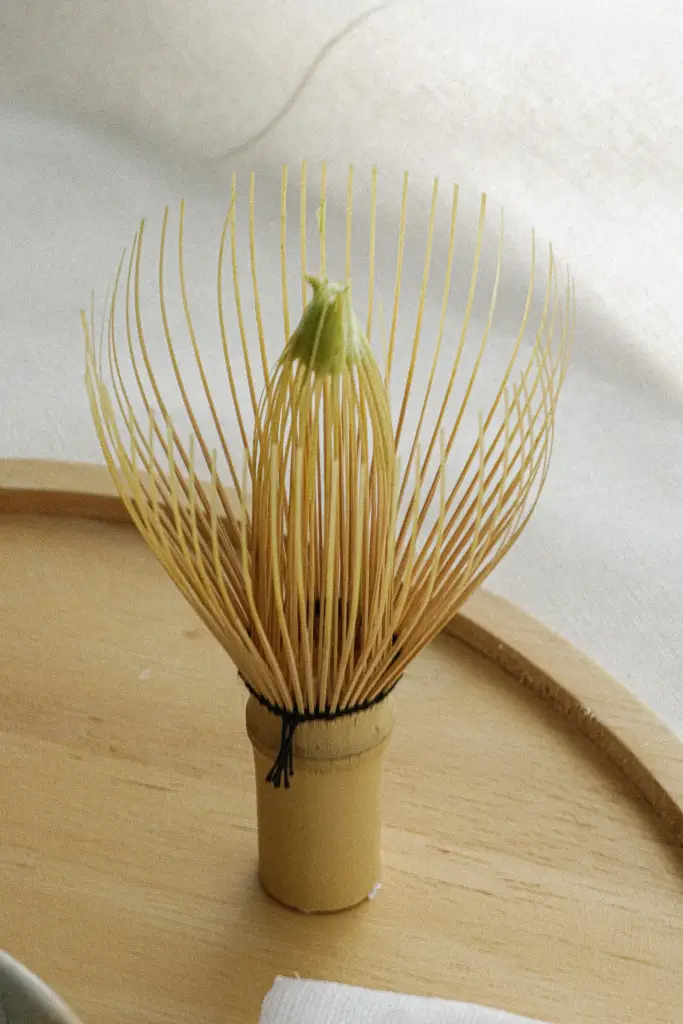
Eine japanische Teezeremonie muss nicht im Seiza stattfinden. Erfahre, wie Teezeremonie am Tisch funktioniert und warum auch Gäste mit Knie- oder Rückenbeschwerden, Schwangere und Anfänger die japanische Teekultur entspannt erleben können.
/
-
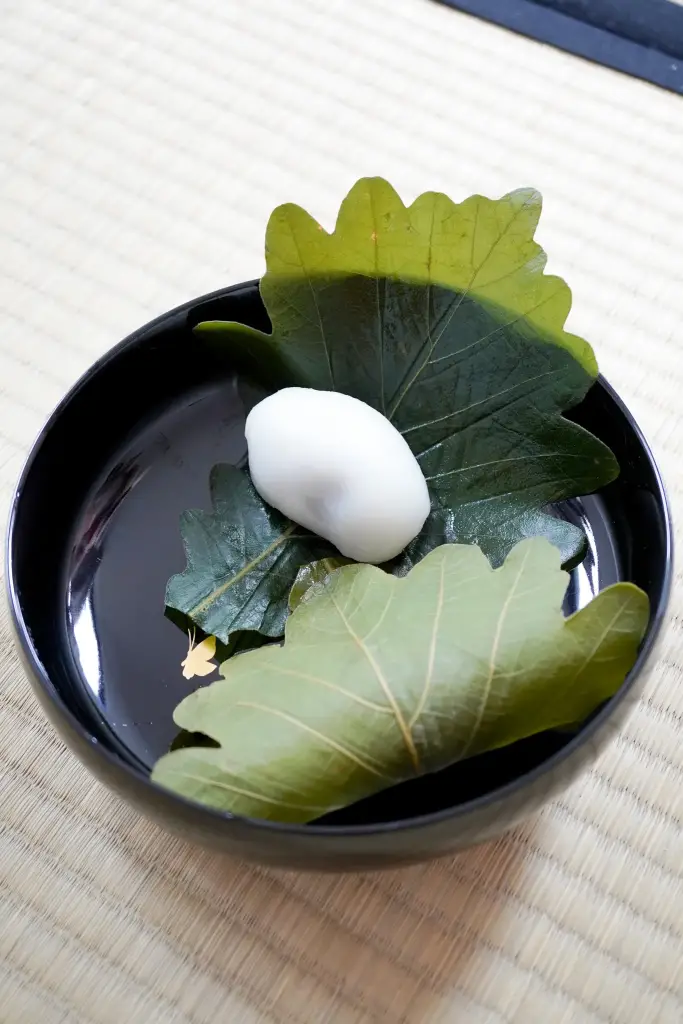
Kashiwa Mochi and Children’s Day in Japan
In early May, a very specific sweet starts to appear across Japan: kashiwa mochi. At first glance, it looks simple — a piece of soft mochi filled with sweet red bean paste and wrapped in a large oak leaf. But like many seasonal foods in Japan, it carries a deeper meaning tied to tradition, family,…
-
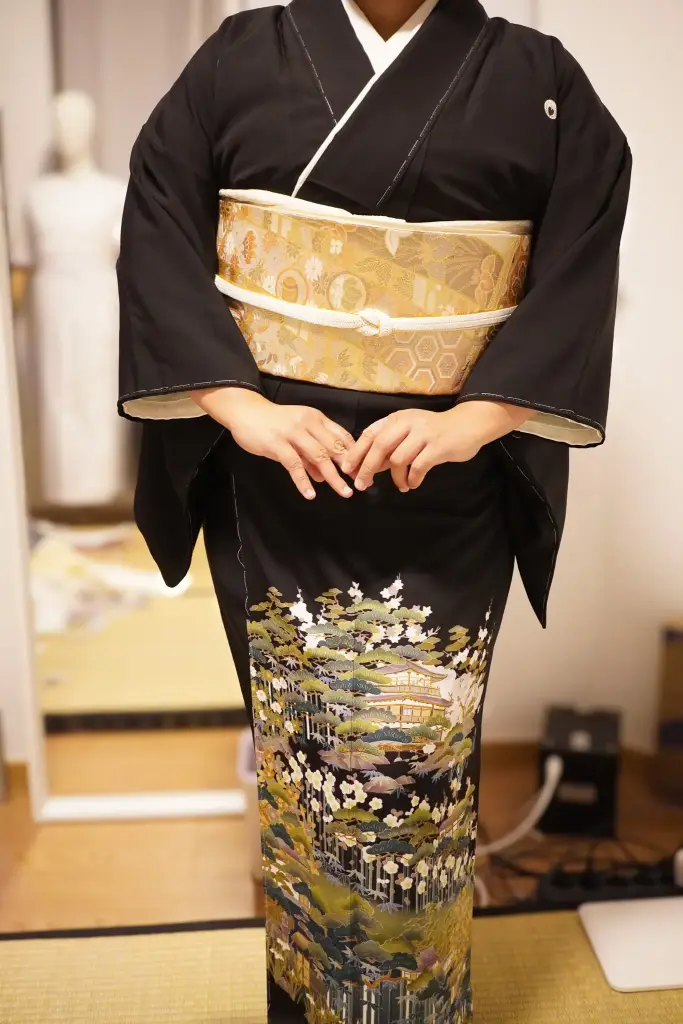
Trying on a Kurotomesode
Germany has started to get warmer, so I recently switched my closet to hitoe and summer kimono. Every year I notice the same thing—I probably own more summer kimono than I actually wear. While reorganizing, I decided to try on a kurotomesode that was passed down to me from my husband’s grandmother. It has the…
-
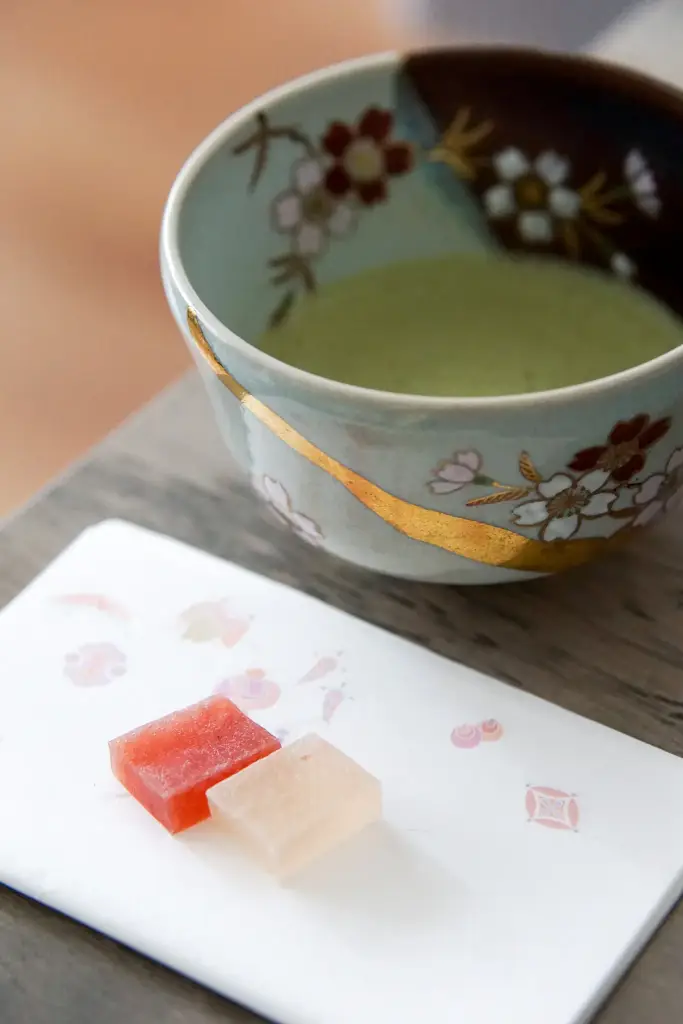
Matcha Workshop in Düsseldorf: A More Traditional Approach
This workshop is shaped by over three years of studying Japanese tea ceremony (Urasenke), and I have received the permission (konarai) to continue my practice within this tradition. Matcha has become very popular in recent years. You see it everywhere — in cafés, desserts, and drinks often labeled as “ceremonial grade.”But in many cases, the…
-
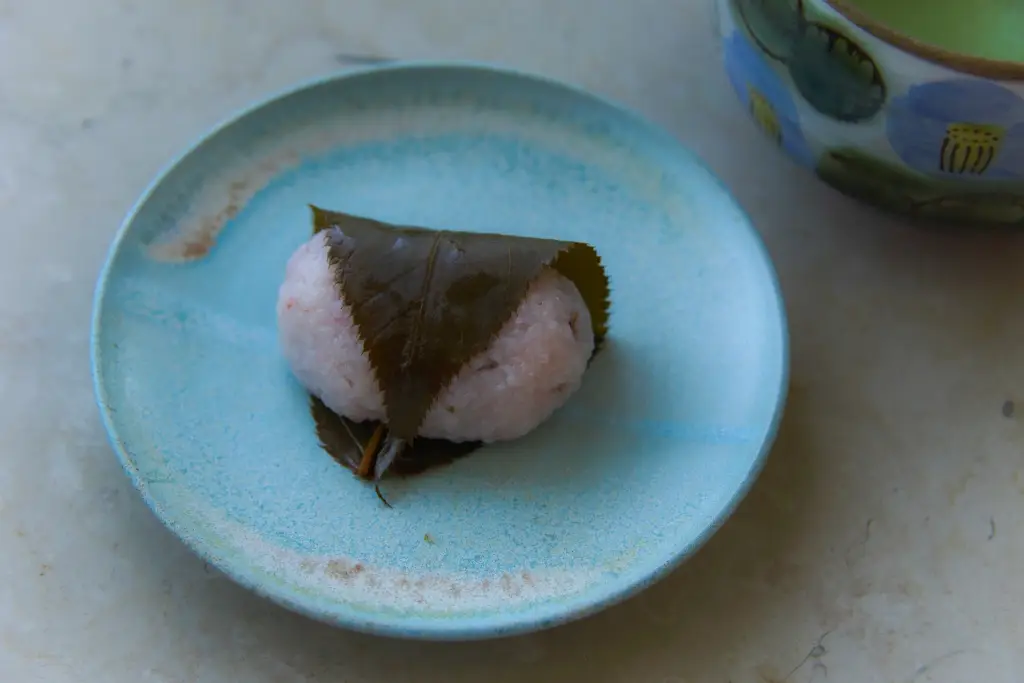
What is Sakura Mochi? A Spring Sweet from Japan
Sakura mochi (桜餅) is a traditional Japanese sweet that quietly announces the arrival of spring.If you’ve ever seen a soft pink rice cake wrapped in a cherry blossom leaf, you’ve already encountered it — even if you didn’t know its name. In Japan, sakura mochi appears around the time cherry blossoms begin to bloom. It…
-
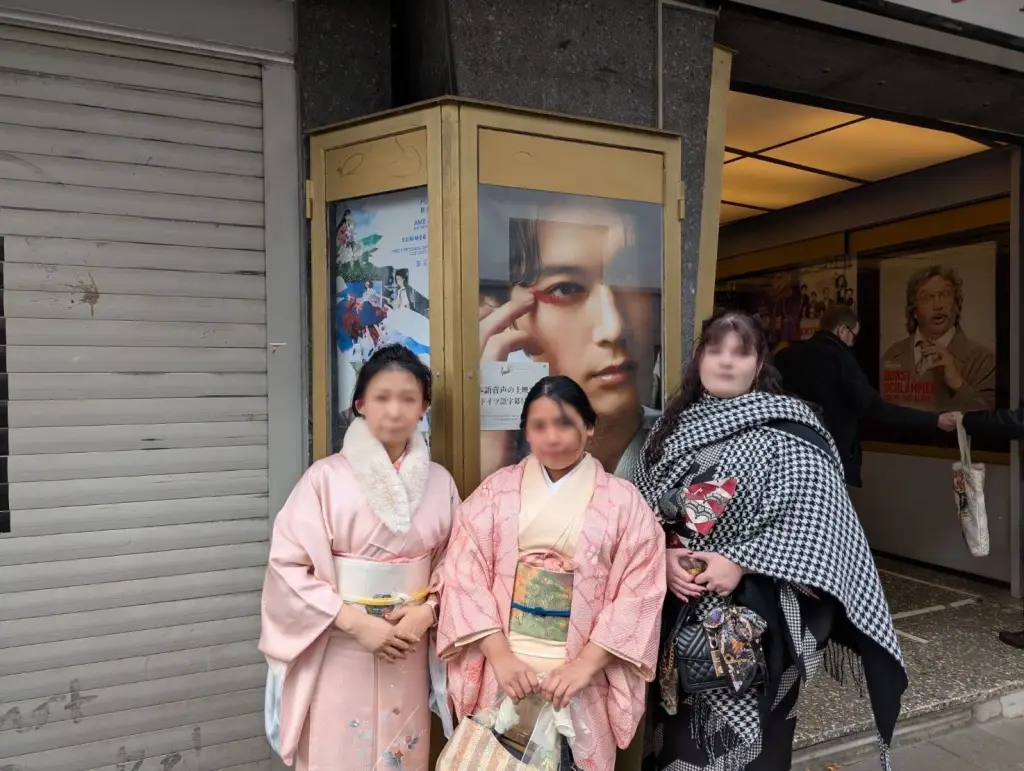
A Kimono Day at the Cinema — Watching Kokuho
Yesterday, we had a small outing with the Kimono Club and went to the cinema together to watch Kokuho. I was honestly very touched by the film.It left a strong impression on me, especially the depth and atmosphere of the kabuki world. It made me want to experience it in real life when I’m in…
-
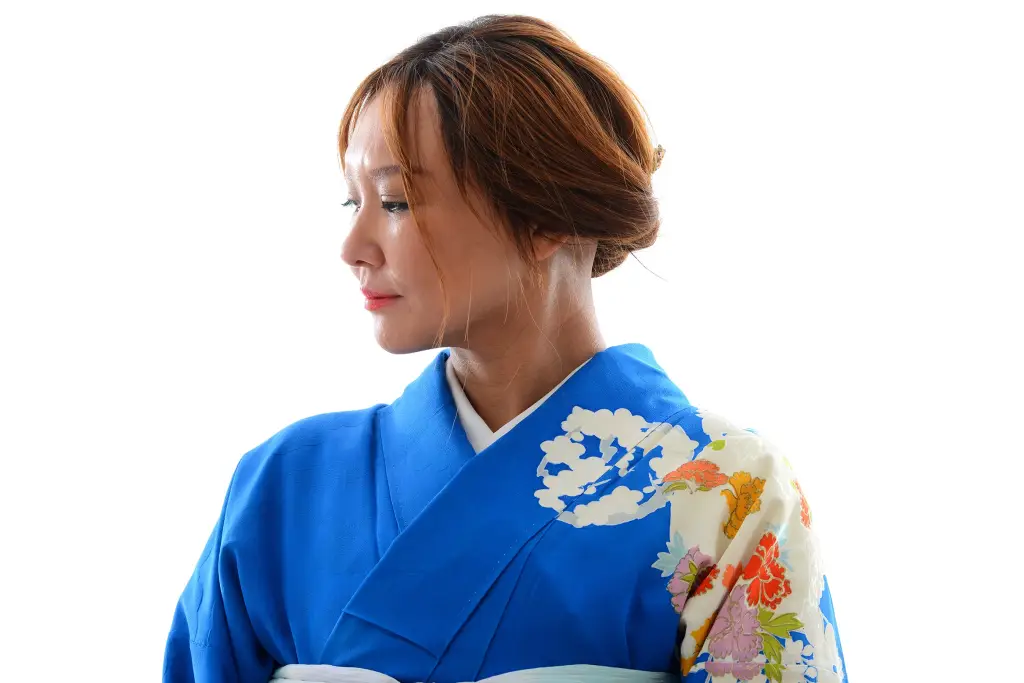
How to Choose Your Kimono Size (Beginner’s Guide)
Choosing the right kimono size Choosing the right kimono size is one of the biggest challenges for beginners. Many people assume kimono sizing works like Western clothing — S, M, or L — or that “free size” will fit everyone. But kimono sizing follows a very different logic, where proportions and balance matter much more…