
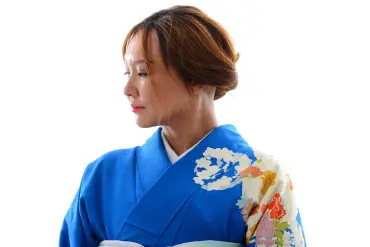
Choosing the right kimono size
Choosing the right kimono size is one of the biggest challenges for beginners.
Many people assume kimono sizing works like Western clothing — S, M, or L — or that “free size” will fit everyone. But kimono sizing follows a very different logic, where proportions and balance matter much more than fixed sizes.
In this guide, I’ll explain:
- and some common mistakes beginners often make when buying vintage kimono.
- how kimono sizing works
- what measurements actually matter
About “free size” kimono
Many kimono, especially modern or secondhand ones, are labeled as “free size.”
At first, this sounds convenient — one size that fits all. But in reality, “free size” usually just means the kimono is slightly longer and more adjustable.
For many people, this can still result in:
- awkward proportions
- excess or insufficient fabric
- difficulty balancing the silhouette neatly
- or sleeves and width that still don’t sit correctly.
Length alone does not guarantee a good fit. Width matters just as much.
👉 “Free size” does not mean it fits everyone — it simply allows more room for adjustment within a certain range.
Why kimono sizing is different
Kimono are not tailored like Western clothing.
Instead of fitting closely to the body, kimono are wrapped and adjusted during dressing.
Traditionally, kimono were custom-made for the individual wearer. Because of this, sizing can feel inconsistent when shopping for vintage or secondhand kimono today.
In recent years, some modern brands have introduced standard sizes such as S, M, and L. However, this mainly applies to newly produced garments.
👉 Kimono do not follow standard sizing — each piece is unique.
Why Vintage Kimono Often Feel Small
Many beginners are surprised when vintage kimono feel much smaller than expected.
There are several reasons for this.
First, many older kimono were custom-made for a specific individual rather than mass-produced. Body proportions in Japan also changed over time, and people today are generally taller and broader than in past generations.
This means that many vintage kimono:
- have narrower widths
- shorter sleeve-to-sleeve measurements (裄)
- and less overlap at the front than modern wearers may expect.
In addition, kimono were traditionally worn with a different ideal silhouette. A slimmer, straighter body line was preferred, especially compared to modern Western styling expectations.
For many people outside Japan, especially taller people or those with broader shoulders or hips, vintage sizing can therefore feel surprisingly small.
👉 This is completely normal — and one reason why checking measurements carefully is so important when buying secondhand kimono.
The 3 key measurements for kimono sizing
When choosing a kimono, focus on these:
Height (身長)
Determines:
- 身丈 (mitake)
- overall balance
- the length of the ohashori
Too short → difficult to create proper ohashori
Too long → bulky and harder to manage
Hip (ヒップ)
Determines:
- 前幅 (maehaba)
- 後幅 (ushirohaba)
This is one of the most overlooked measurements for beginners.
If the kimono is too narrow, it may not wrap comfortably or stay closed properly while moving.
Sleeve length & width (裄 / 袖幅)
This affects how the kimono sits across the shoulders and arms.
Too short → can feel restrictive
Slightly longer → usually acceptable and easier to adjust
Common beginner mistakes
1. Choosing based on height only
Many people only check 身丈.
I used to do the same. If the length roughly matched my height, I assumed the kimono would fit.
But when I actually wore it, something often felt slightly off.
Even if the length was correct, the kimono could still:
- feel too narrow
- open while walking
- or sit awkwardly on the body.
👉 That’s when I realised: length alone is not enough — width matters just as much.
2. Relying on “free size”
When I first started buying kimono, I assumed “free size” meant it would fit anyone.
A lot of online listings made it sound simple, so I didn’t pay much attention to actual measurements.
But kimono sizing is not really one-size-fits-all.
Some pieces technically fit, but:
- the sleeves sat strangely
- the overlap looked awkward
- or the overall proportions simply felt unbalanced on my body.
I slowly realised that “free size” can be very misleading, especially for beginners.
👉 Even with kimono labeled as free size, checking the measurements carefully makes a huge difference.
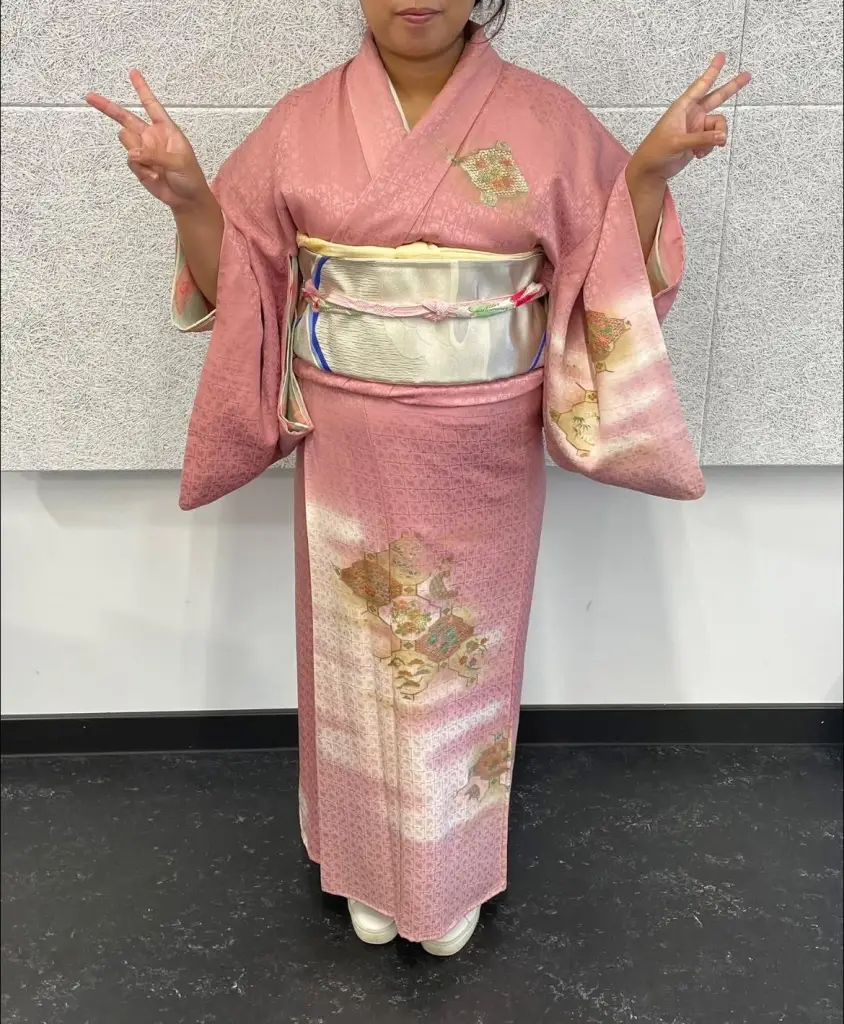
3. Buying purely by looks
My first kimono was something I bought from an antique shop in Europe.
It was beautiful — good quality, elegant, exactly what I wanted.
But it didn’t fit me.
No matter what I did, I couldn’t get dressed in a way that looked balanced.
Looking back, it was simply too small.
👉 A beautiful kimono is not always a wearable one.
4. Ignoring nagajuban sizing
For a long time, I focused only on the kimono.
As long as the outer layer looked nice, I didn’t think much about the nagajuban.
But then I noticed small things:
- the collar didn’t sit right or keeps on moving
- the sleeves didn’t align
👉 If the nagajuban doesn’t match your size, it affects the entire silhouette.
How to quickly estimate your kimono size
To make this easier, I created a simple calculator based on a traditional sizing guide used by kimono tailors.
👉 Try the Kimono Size Calculator
It gives you a quick reference for:
- kimono
- nagajuban
- haori / coat / hakama
Buying Tips
For in-store shopping, always bring a measuring tape.
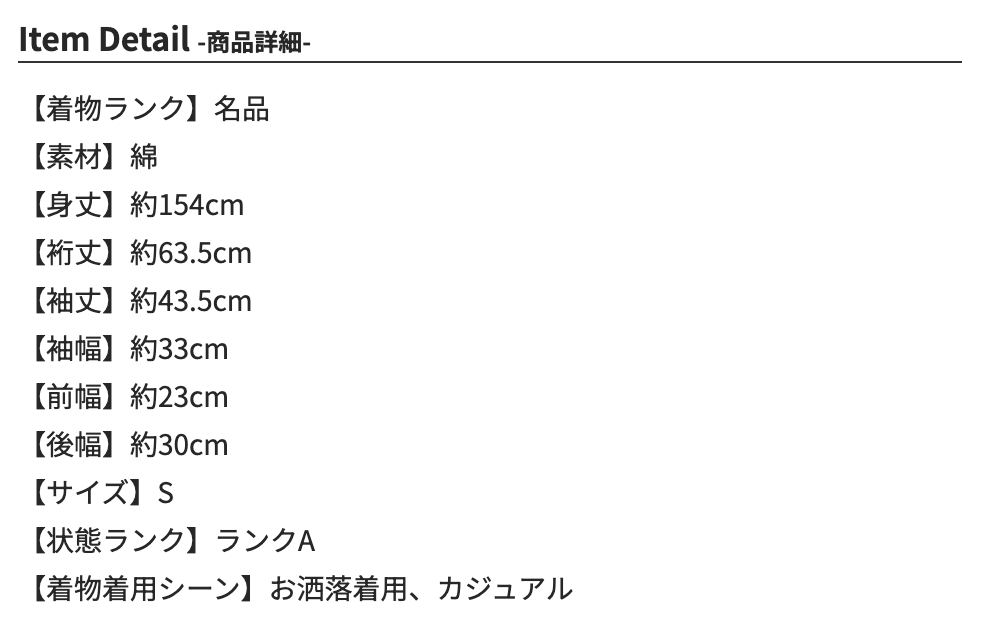
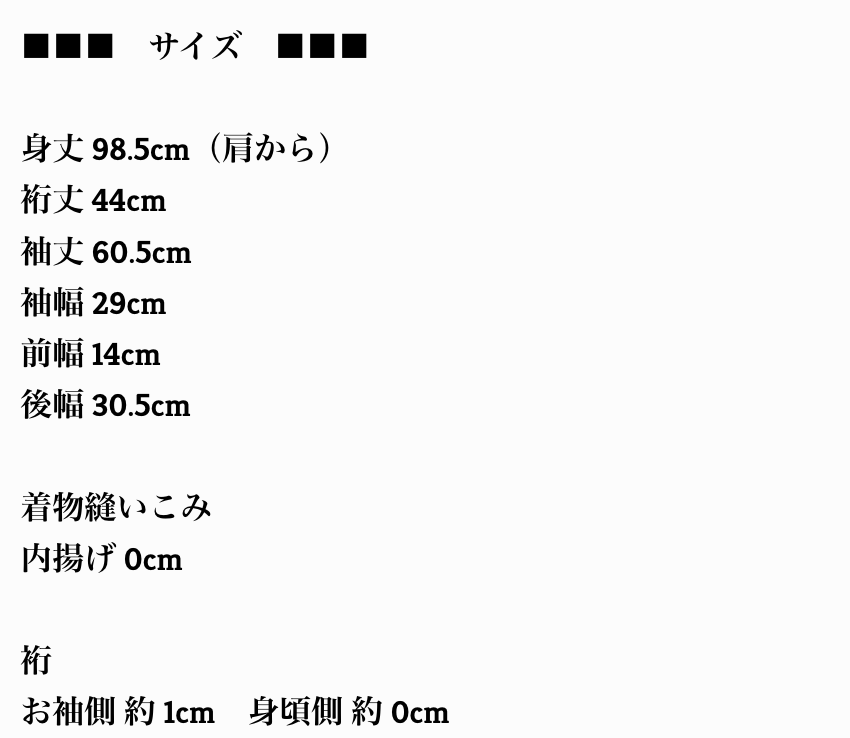
When shopping online, make sure to check the listed measurements carefully. Most Japanese kimono shops include detailed sizing information in the description.

Final thoughts
Kimono sizing can feel confusing at first, but it becomes much easier once you understand the basics.
You don’t need a perfect fit immediately — you just need something workable and comfortable enough to learn in.
Start with:
- your height
- your hip measurement
- and a general size reference.
Over time, your eye for sizing and proportions will naturally improve.
And honestly, this is something many kimono wearers continue learning for years
Leave a Reply